Greece, known for its rich history and stunning landscapes, also boasts a climate that is quintessentially Mediterranean. This comprehensive guide provides insights into what one can expect from the weather throughout the year in this beautiful country.
The Greek Mediterranean Climate
Characterized by its warm and inviting weather, Greece exemplifies the Mediterranean climate. Tourists can anticipate dry and hot days which are frequently mitigated by seasonal breezes, a welcome relief during the intense heat of summer.
Seasonal Breezes and Temperature Variations
The heat of summer is often tempered by seasonal winds, known locally as 'Meltemi', which grace the seaside cities and islands. On the mainland, particularly in mountainous regions, temperatures tend to be significantly cooler, with increased rainfall contributing to a different climatic experience than that along the coast.
Winter in Greece: Mild Lowlands to Snowy Mountains

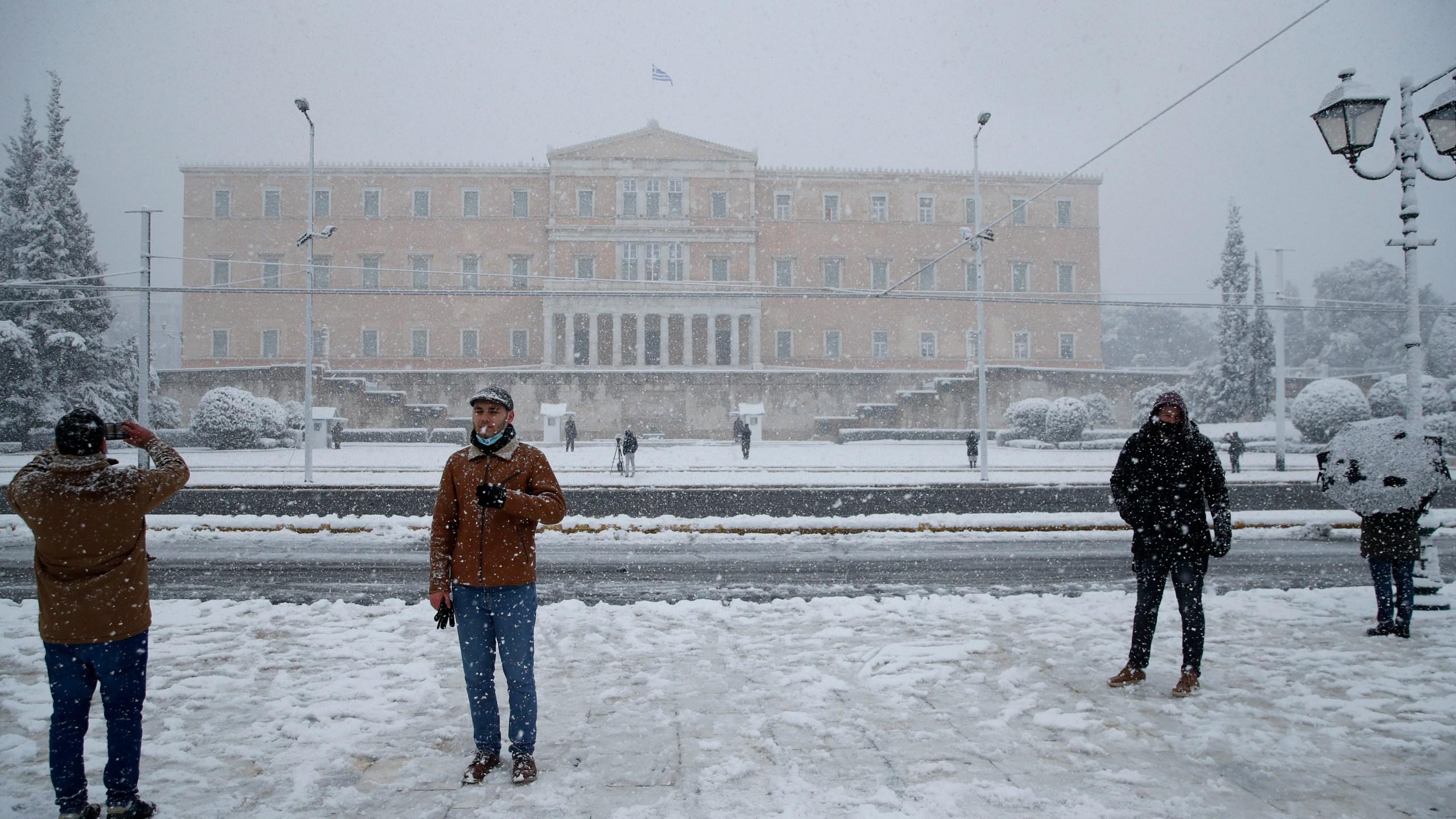
The winter months bring mild weather to the Greek lowlands with infrequent frost and snow, while the mountains don a blanket of snow. These contrasting landscapes offer varied experiences for visitors, from tranquil winter beach walks to exciting snow sports.
Precipitation Patterns
Rainfall in Greece is most common from October to March, providing a necessary respite for the natural landscapes after the arid summer months. However, from June to August, rain is a rare sight, making for sun-soiled days perfect for beach activities and travel.
Greece's Seasonal Humidity and Sunshine
Humidity Levels Across Major Cities
Relative humidity in Greece fluctuates throughout the year and across its cities. Athens and Thessaloniki, for example, experience higher humidity levels during winter, owing to differing geographic and climatic conditions than the islands such as Corfu and Santorini.
Sunshine Hours: A City Comparison
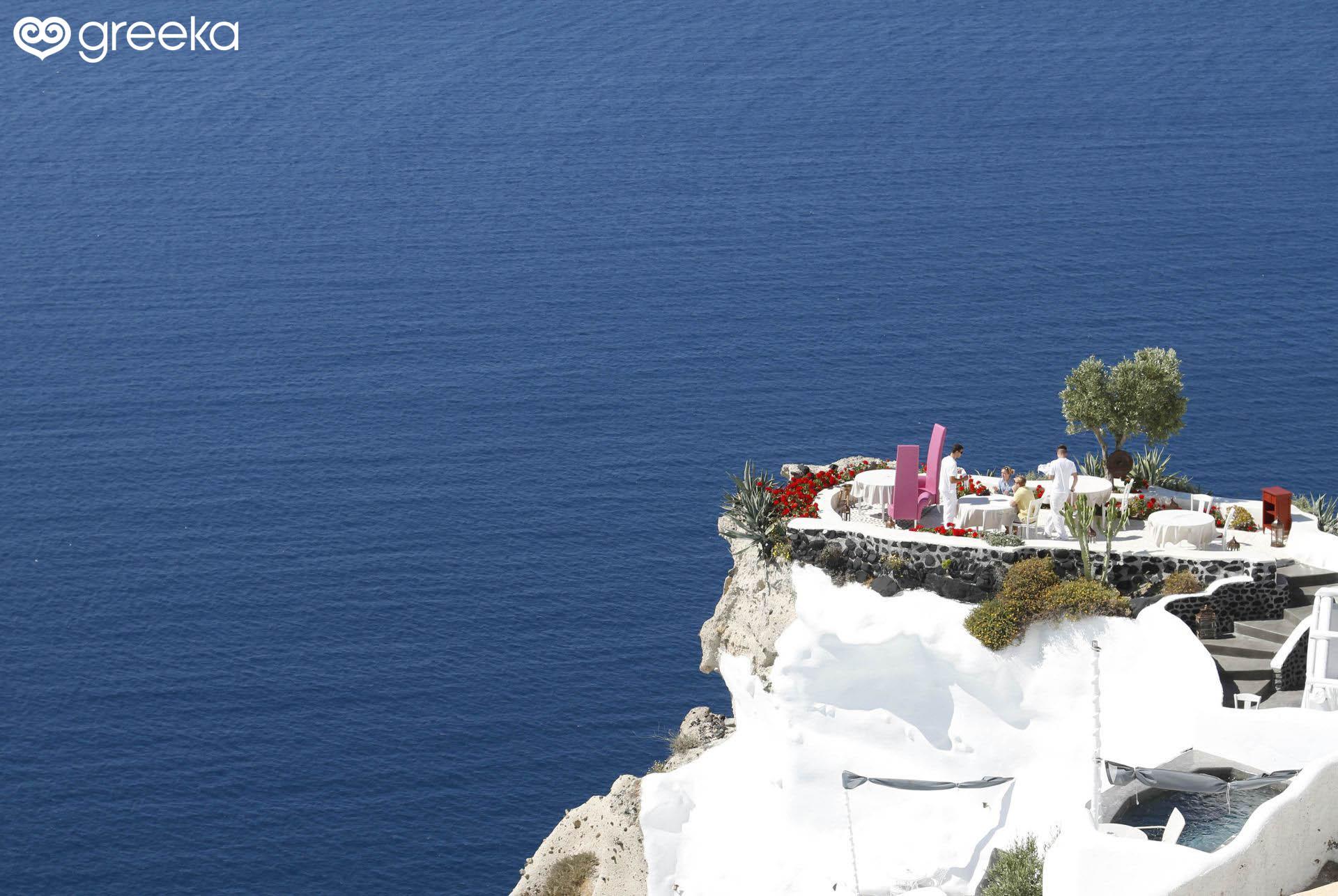
The Greek sun is generous, especially during the long summer days. Major cities like Athens and Rhodes revel in over 11 hours of sunshine per day during peak summer months, whereas northern cities like Thessaloniki see a more modest increase in daylight hours.
Temperature Averages Across Greek Cities
The temperature in Greek cities varies significantly throughout the year. Summers are warm and inviting, with cities like Athens and Rhodes reaching temperatures that perfectly compliment a day at the beach. Winters remain mild, with coastal areas experiencing gentler cold spells in comparison to their northern and inland counterparts.
Variations in the Aegean Sea Winds
From April to October, Aegean Sea winds, especially the 'Meltemi', play a notable role in the Greek weather experience. These winds can be powerful, especially during July and August, creating ideal conditions for sailing and windsurfing but also the need for caution amongst unprepared travelers.
Understanding Wind Patterns
Travelers keen on sailing or embarking on ferry rides across the Greek isles should be mindful of the wind patterns. The intensity and direction of the Aegean winds vary from the North to the South Aegean, affecting sea conditions and travel plans.
Embracing Greece's Climate in Travel
Whether you're planning a sun-kissed beach vacation or a mountainous adventure, understanding Greece's weather and climate is essential. The country's delightful Mediterranean climate not only offers a wealth of outdoor activities but also aligns perfectly with the nation's hospitality, which can always be enjoyed to the fullest from the comfort of Greek hotels, charming villas, and resorts that cater to every traveler's need. Embrace Greece's climate as an integral part of your travel experience, enriching your memories and stories to share.